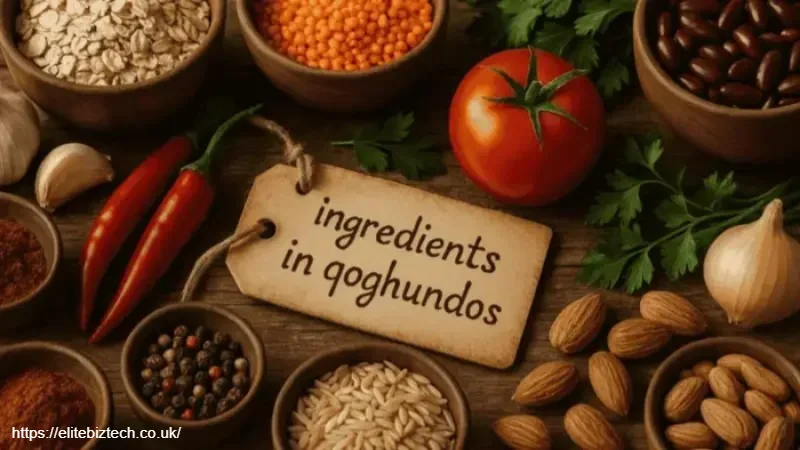
Qoghundos is one of those traditional dishes that quietly carries generations of culture, flavor, and culinary wisdom within it. While it may not yet be widely known on global food blogs, people who are familiar with Qoghundos understand that its magic lies in the careful balance of its ingredients. Each component plays a specific role, not just in taste but also in texture, aroma, and overall experience. In this article, we’ll take a deep, expert-level look at the ingredients in Qoghundos, explaining what they are, why they matter, and how they come together to create a dish that feels both comforting and special.
This guide is written casually, but with the insight of someone who truly understands traditional cooking. Whether you’re researching Qoghundos for cultural knowledge, recipe development, or food blogging, you’ll find everything you need right here.
Understanding Qoghundos and Its Culinary Roots
Before diving into the ingredients in Qoghundos, it’s important to understand what kind of dish it is. Qoghundos is traditionally prepared as a rich, slow-made recipe that relies on natural, wholesome ingredients rather than shortcuts or processed substitutes. It is often associated with home cooking, family gatherings, and special occasions, which is why ingredient quality matters so much.
What sets Qoghundos apart from many modern recipes is that it doesn’t depend on a long list of artificial flavorings. Instead, it builds depth by layering simple ingredients thoughtfully. Each ingredient is chosen for a purpose—some provide structure, others add sweetness or aroma, and a few exist purely to elevate the final taste.
Another defining feature of Qoghundos is flexibility. While the core ingredients remain consistent, families often adjust proportions slightly based on regional preferences or seasonal availability. This adaptability is one of the reasons Qoghundos has survived for so long as a beloved traditional dish.
Core Base Ingredients in Qoghundos
The foundation of Qoghundos is built on a small group of base ingredients that give the dish its identity. Without these, it simply wouldn’t be Qoghundos. These ingredients are usually pantry staples, but their combination is what makes them special.
The primary base ingredient is typically a grain or flour component, which provides structure and body to the dish. This could be finely ground flour or a traditionally milled grain, depending on the regional style. This ingredient is responsible for the thickness and consistency that Qoghundos is known for. When cooked slowly, it absorbs flavors beautifully and creates a satisfying texture.
Another essential base ingredient is fat, commonly in the form of butter, clarified butter, or oil. This element adds richness and helps carry flavors throughout the dish. In traditional preparation, this fat is gently heated to release aroma before other ingredients are added, setting the stage for everything that follows.
Water or milk is also a critical base component. It determines how light or rich the final result will be. Milk-based Qoghundos tends to be creamier and more indulgent, while water-based versions feel lighter but still comforting.
Sweetening Agents Used in Qoghundos
Sweetness in Qoghundos is never harsh or overpowering. Instead, it is warm, rounded, and balanced. This is achieved through carefully chosen sweetening ingredients that complement the dish rather than dominate it.
One of the most common sweeteners used in Qoghundos is natural sugar, often in its raw or minimally processed form. This could be traditional sugar crystals or locally sourced sweeteners that dissolve slowly during cooking. The slow integration of sweetness allows the dish to develop a more complex flavor profile.
In some variations, honey or syrup-based sweeteners are used. These add not just sweetness but also subtle floral or caramel notes. When used correctly, they enhance the aroma of Qoghundos and give it a slightly glossy finish that makes it visually appealing.
What’s important to note is that sweeteners in Qoghundos are always added with restraint. The goal is balance, ensuring that the sweetness supports the other ingredients rather than masking them.
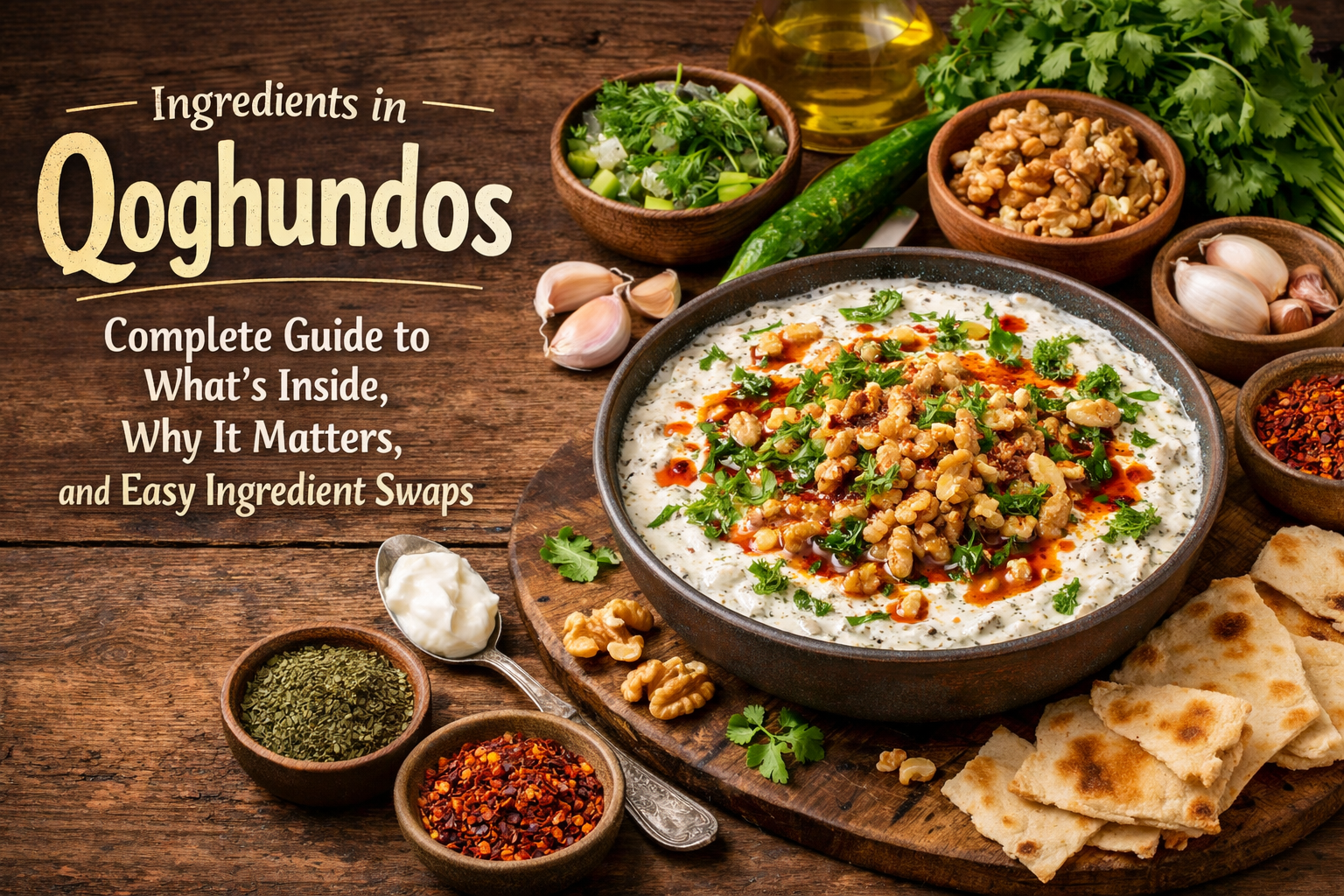 Aromatic Spices That Define Qoghundos
Spices play a crucial role in shaping the identity of Qoghundos. They are not used aggressively but rather as gentle accents that bring warmth and depth to the dish.
One commonly used spice is cardamom, which adds a soft, slightly citrusy aroma. Just a small amount is enough to transform the overall scent of Qoghundos, making it instantly recognizable. Cardamom works particularly well with milk-based versions of the dish.
Another popular aromatic is cinnamon, used either in powdered form or as a whole stick during cooking. Cinnamon adds warmth and a subtle sweetness that blends seamlessly with the base ingredients. It also enhances the dish’s comforting qualities, making it ideal for colder seasons or evening meals.
In some traditional recipes, a hint of clove or nutmeg may also be included. These spices are used sparingly, but they add complexity and depth that experienced cooks truly appreciate.
Nuts and Seeds in Qoghundos
Nuts and seeds are often added to Qoghundos to introduce texture, nutrition, and visual appeal. They turn a simple dish into something that feels celebratory and complete.
Commonly used nuts include almonds, pistachios, or walnuts, either finely chopped or lightly crushed. These nuts provide a gentle crunch that contrasts beautifully with the soft base of Qoghundos. They are usually added toward the end of cooking or used as a garnish.
Seeds such as sesame or poppy seeds may also appear in certain variations. These ingredients add a subtle nuttiness and contribute to the overall richness of the dish without overwhelming it.
Beyond texture, nuts and seeds also increase the nutritional value of Qoghundos, adding healthy fats, protein, and minerals. This is one of the reasons the dish has traditionally been considered both satisfying and nourishing.
Dairy Components and Their Role
Dairy ingredients are central to many versions of Qoghundos, especially those that are served as comfort food or dessert-like dishes. They add creaminess, body, and a luxurious mouthfeel.
Milk is the most commonly used dairy component. When simmered slowly with the base ingredients, it thickens naturally and absorbs the flavors of spices and sweeteners. Full-fat milk is often preferred because it produces a richer result.
In some preparations, cream or yogurt may be added in small quantities. Cream increases indulgence, while yogurt introduces a slight tang that balances sweetness. These ingredients must be handled carefully to prevent curdling, which is why experienced cooks add them at specific stages.
Dairy components also help bind ingredients together, ensuring that Qoghundos has a smooth, cohesive texture rather than feeling separated or uneven.
Flavor Enhancers and Optional Additions
Beyond the core ingredients in Qoghundos, there are optional additions that allow cooks to personalize the dish while still respecting tradition.
One such addition is rose water or floral essence, used in very small amounts. This ingredient adds an elegant aroma that elevates Qoghundos from everyday food to something suitable for special occasions.
Another optional enhancer is dried fruit, such as raisins or dates. These add natural sweetness and chewy texture, creating little bursts of flavor throughout the dish.
Some modern variations even include a touch of vanilla, especially when Qoghundos is presented as a dessert. While not traditional, vanilla can blend surprisingly well when used with restraint.
The Importance of Ingredient Quality in Qoghundos
When it comes to Qoghundos, quality truly matters. Because the ingredient list is relatively simple, there is nowhere to hide poor-quality components. Each ingredient must pull its weight.
Fresh spices are more aromatic, high-quality dairy is richer, and good nuts are more flavorful. Traditional cooks often emphasize sourcing the best available ingredients, even if it means using fewer of them.
This focus on quality is one reason Qoghundos has remained respected over generations. It teaches patience, attention to detail, and respect for food—values that are sometimes lost in fast cooking.
How Ingredients Work Together in Qoghundos
What makes Qoghundos special isn’t just the individual ingredients, but how they interact. The base provides structure, the fat carries flavor, the sweetener balances, and the spices add character.
Slow cooking allows these ingredients to meld together, creating a unified taste rather than separate layers. This harmony is the hallmark of a well-made Qoghundos.
Experienced cooks often say that Qoghundos “comes together” at a certain moment during cooking. That moment is the result of ingredient synergy, not a single step or shortcut.
Nutritional Perspective on Qoghundos Ingredients
From a nutritional standpoint, the ingredients in Qoghundos offer a balance of carbohydrates, fats, and proteins. While it can be indulgent, it is also nourishing when eaten in moderation.
Grains provide energy, dairy contributes calcium and protein, and nuts offer healthy fats. When prepared traditionally, Qoghundos avoids excessive processing, making it more wholesome than many modern desserts.
This balance is another reason why Qoghundos has remained popular across generations—it satisfies both the body and the soul.
Final Thoughts on Ingredients in Qoghundos
The beauty of Qoghundos lies in its ingredients and the respect given to them. Each component has a role, and none are unnecessary. When prepared thoughtfully, these ingredients come together to create a dish that feels timeless, comforting, and deeply satisfying.
Understanding the ingredients in Qoghundos allows you to appreciate the dish beyond just taste. You begin to see it as a reflection of tradition, patience, and culinary wisdom passed down through time.
Whether you’re exploring Qoghundos for cultural research, recipe creation, or pure curiosity, one thing is clear: the ingredients are simple, but the result is something truly special.